Choosing the right materials for cosmetic packaging bottles is crucial for brands. The right material protects the product and appeals to customers. There are several popular options such as glass, plastic, and aluminum. Each material has its benefits and drawbacks. For instance, glass is eco-friendly but heavier. On the other hand, plastic is lightweight and cost-effective. Understanding these differences helps brands make informed choices.
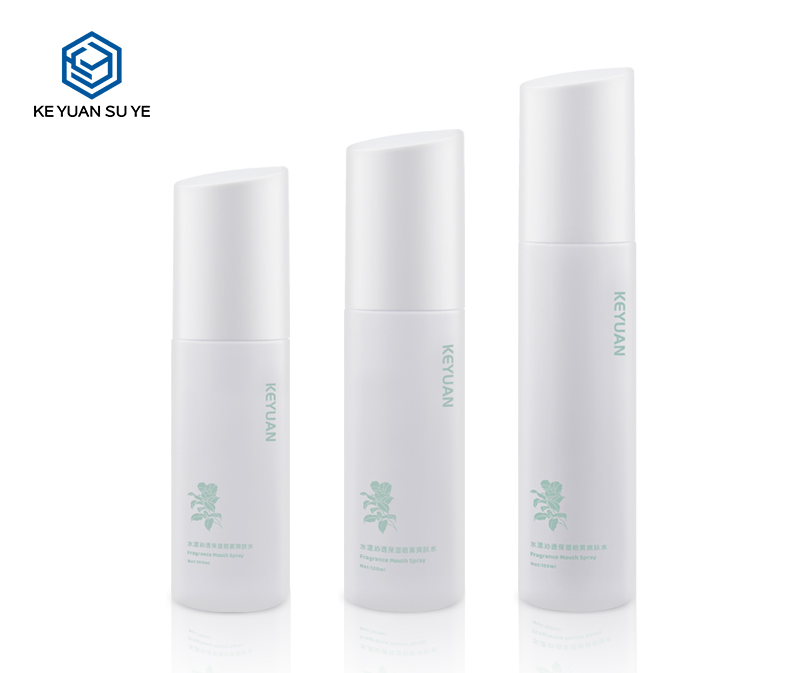
The **popular materials used in cosmetic packaging bottles** include glass, plastic, metal, and biodegradable materials. Each offers unique advantages for product protection, brand image, and customer appeal.
Glass packaging is highly durable and prevents contamination. It preserves product quality better than many other materials. Brands are increasingly choosing glass for their upscale products. It can also be recycled often, making it an eco-friendly choice. Studies show that over 80% of glass bottles can be recycled without loss of quality.
Plastic is the most commonly used material for cosmetic bottles. It is lightweight, flexible, and has various shapes. Because of its low production cost, many brands favor plastic for mass production. However, plastic has environmental concerns due to waste. The market is shifting toward recyclable and biodegradable plastics.
Aluminum packaging protects sensitive products from light and air, keeping them fresh. It is also lightweight compared to glass. Many skincare and haircare brands use aluminum for their bottles. This metal is also recyclable, contributing to sustainability efforts.
With the rise of eco-conscious consumers, biodegradable materials are gaining popularity. These materials decompose naturally, reducing waste. Brands that use biodegradable packaging can attract environmentally friendly customers. Research shows that nearly 60% of consumers prefer products in eco-friendly packaging.
Many newer packaging solutions use a combination of materials. These hybrid packages benefit from the strengths of different materials. For example, a bottle may have a glass outer layer for elegance and a plastic inner layer for protection. This innovative approach addresses both aesthetics and functionality effectively.
In summary, the choice of materials for cosmetic packaging bottles significantly impacts product safety and marketability. Brands must weigh the advantages and disadvantages of glass, plastic, aluminum, biodegradable materials, and combinations. By selecting the right materials, they can enhance product protection and appeal to consumers.
1. What are the most common materials used for cosmetic packaging?
The most common materials are glass, plastic, aluminum, and biodegradable options.
2. Why is glass popular for cosmetic packaging?
Glass is popular because it is durable and eco-friendly, providing better protection for products.
3. Is plastic safe for cosmetics?
Yes, plastic is generally safe, but brands should consider using recyclable or biodegradable options.
4. What are biodegradable materials?
Biodegradable materials are materials that can decompose naturally and reduce waste.
5. How do I choose the right packaging material?
Consider product type, target market, and environmental impact when selecting packaging materials.
6. Are combination materials effective?
Yes, combinations of materials can offer enhanced functionality and appeal to consumers.
Copyright © Guangzhou Keyuan Plasticware Co., Ltd. All Rights Reserved Sitemap